
Written by the Marshfield Electric team · Reviewed by Robert Thomas, Massachusetts Master Electrician, License #23521-A
Home generator installation sets up a permanent backup power system that automatically turns on when utility power fails. It suits homeowners who rely on a sump pump, heating controls, or medical equipment during outages. Most standby generator installations take one to two days on site once permits are approved. Marshfield Electric handles the sizing, permits, and safe wiring.
Home generator installation helps South Shore homeowners keep essential equipment working when utility power goes out. Your furnace controls, refrigerator, sump pump, or well pump all depend on electricity. Losing those systems during a nor’easter or winter storm can disrupt your home for long stretches at a time.
Marshfield Electric helps you plan backup power installation around your priorities and what the electrical work involves. Whether you want a whole-home standby setup or target coverage on select circuits, the installation reflects your home’s equipment, existing panel, available fuel supply, and budget.
Tell us the appliances and systems you want to keep running during an outage.
A backup generator system includes an outdoor generator, an automatic transfer switch, and the fuel and electrical lines that connect to your home. The generator sits outside on a stable support pad and runs on natural gas or propane. The transfer switch sits between the utility line and your main panel. It starts the generator during an outage and switches your home back to utility power when service returns.
A standard generator installation includes the support pad, transfer switch, wiring, grounding, and startup. Each setup differs from home to home. An essential-circuit system powers your heating system, the sump or well pump, the refrigerator, and some lights. A wholehouse generator installation covers all essentials in your home, including central air, and calls for a larger unit.
Professional generator installation helps support the power unit you selected. Proper electrical wiring and placement support safe operation that keeps your home powered.
Professional generator installation gives you reliable backup power you do not have to set up in the dark.
A quick assessment helps you compare generator setups based on circuit coverage, broader household backup, and manual generator connections before purchasing equipment.
Marshfield Electric follows a structured process for generator installation. It involves equipment selection, site preparation, and licensed trade work.
We check your existing electrical panel, available space, and identify the equipment you want powered. From there, we calculate the load and recommend a properly sized generator for your home.
We review the proposed generator placement for unit clearances, exhaust, service access, and applicable local requirements. Our team handles the electrical permit with your town. Some towns may require a building permit for the support pad, while a gas or propane connection needs its own permit from a licensed gas fitter.
Site preparation covers adding a stable, level base of compacted gravel, concrete or composite pad. Its placement must meet required clearances from doors, windows, vents, and meters.
The generator is set onto the pad and anchored in place to prevent shifting. A licensed gas fitter or plumber then runs, connects, and tests the natural gas or propane line to the unit. The fuel supply must support the generator’s demand alongside other gas appliances in your home.
We install the transfer switch near your main panel, along with the power wiring and control wiring to the generator. Any planned circuit changes or load controls are completed, along with grounding and bonding appropriate to the system.
We test the generator under load and perform a controlled outage to confirm the switch transfers and returns power correctly. Then we explain the controls, shutdown procedures, and routine maintenance instructions.
You will get a project schedule that includes the supporting work and inspections, with no pressure to move forward. Most standby projects take a few weeks from the first visit to final inspection, and may extend depending on the permits and equipment lead times.
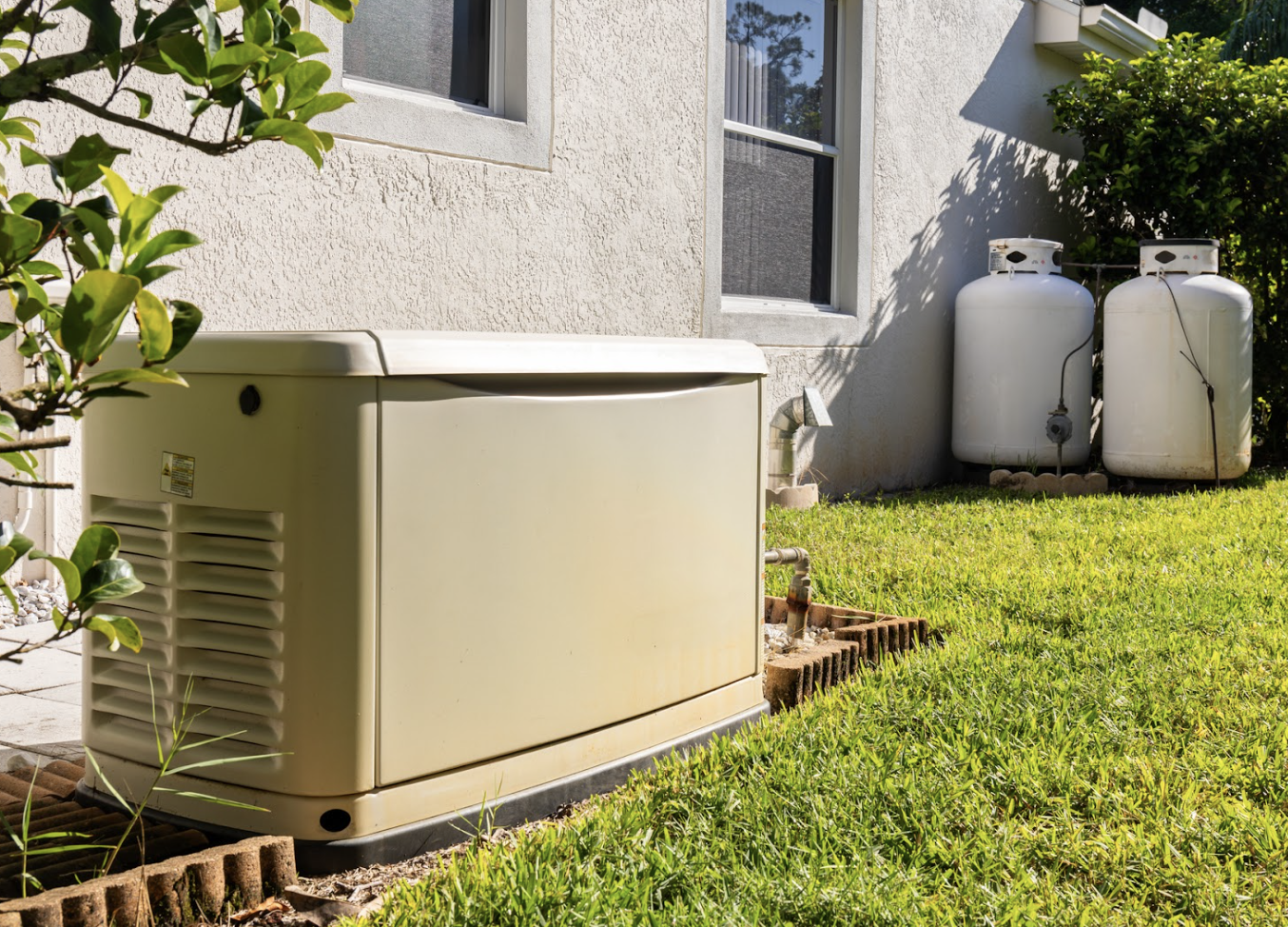
The right generator setup depends on how much of your home you want powered and how much hands-on work you will do in an outage. Portable and inverter units cost less, but someone has to set up, fuel, and connect them each time.
| Generator Type | How It Powers Your Home | Best For | Typical Cost | Main tradeoff |
|---|---|---|---|---|
| Whole House Standby Generator | Starts automatically with an automatic transfer switch | Essential systems or broader household coverage, depending on capacity | $10,000 to $20,000 or more, depending on the setup. | Higher upfront cost, permanent outdoor space, and steady fuel connection. |
| Conventional Portable Generator | Requires manual setup, connects through an interlock kit or transfer switch. | Selected appliances or circuits within its rated capacity. | $500 to $3,000 for the unit, plus connection hardware fee. | More hands-on work during outages. |
| Inverter Portable Generator | Requires manual operation; quieter, cleaner output; connects like a portable, and adjusts engine speed to demand. | Homes with smaller loads where noise and electrical output quality matter. | $1,000 to $4,000 depending on the unit. | Often less capacity than larger backup systems. |
Portable and inverter units must run outdoors, away from windows and doors, as their exhaust contains carbon monoxide. If you prefer a manual arrangement, our portable generator installation page explains the household connection needed for that approach.
Generator installation costs may vary depending on each home’s panel, fuel setup, and power demand. An onsite inspection helps outline expenses that an equipment-only price leaves out.
Marshfield Electric provides a written estimate after checking your panel and confirming generator placement on site.
Every generator installation project at Marshfield Electric is led by owner Robert Thomas, a licensed Massachusetts Master Electrician (License #23521-A). This master license is the highest electrical license the state issues. As we are owner-operated, the person who designs your system is the same person who pulls the permit and explains the details to you directly.
Most of our daily work involves electrical panels and service upgrades. Many older South Shore homes have panels that were never built for a transfer switch, and we catch those issues at the first visit, not halfway through the job.
Our work also includes generator safety solutions, portable generator connections, and generator interlock kits. You get a clear explanation of the electrical requirements and practical limits of each option, so you can make an informed decision about your home’s backup power.
⭐⭐⭐⭐⭐
“Excellence customer service! Emily was the best! Very helpful, friendly, worked quickly and efficiently! Excellent and thank you so much!”
– Letty B., Verified Customer
⭐⭐⭐⭐⭐
“Marshfield Electric provides excellent service. They are reasonably priced, show up on time, and do great work. I have used them for several projects, and I have always been pleased with the results.”
– Paul L., Verified Customer
Marshfield Electric installs backup generators across the South Shore. From our base in Marshfield, we serve homes in Duxbury, Scituate, Pembroke, Norwell, Hanover, Hingham, and Cohasset.
Whether you need whole-home backup power or a portable generator connection, we handle the permit filing with your town’s building department. See the full list of communities we serve at our Service Areas.
Most whole house standby generator installations cost $10,000 to $20,000 or more, including the unit, transfer switch, pad, and wiring work. Essential-circuit standby systems fall toward the lower end. A required panel upgrade, a long fuel line, or a new propane tank adds to the total.
A backup generator can power an EV charger, but its charging load calls for more generator capacity in your home. Discuss EV charging needs during the assessment so the recommended backup power capacity accounts for that load during generator operation.
A standby generator can run for days during an outage if the fuel supply holds and the unit is maintained. Propane operation can be limited by usable tank capacity, while natural gas operation depends on continued gas service. Follow the manufacturer’s instructions for extended operation, including any required oil checks, shutdowns, and service intervals.
No. In Massachusetts, permanently connecting a generator to your home’s wiring requires a licensed electrician and an approved electrical permit. Plugging a generator into a household outlet is unsafe and not permitted, as it can backfeed power to the utility lines outside your home.
Check the control panel for a fault code, confirm the unit is set to automatic, and make sure the fuel valve is open. If the generator still does not start, or your home did not switch over to backup power, contact our 24/7 emergency electrical service for help.
Start with the systems your home needs and whether you want the setup to automatically run. We will check your panel, calculate load demand, and review trade work.
Contact Marshfield Electric to request a generator installation estimate based on your needs. You get a clear, written estimate, and a plain explanation of the work needed. No pressure to decide on the spot.