As winter approaches in New England, your electrical system becomes a major factor in keeping your home safe and comfortable. Seasonal heating, holiday lighting and storm related outages all place extra demands on your electrical components. Preparing your home with proper home electrical inspections helps prevent hazards, reduce repairs and ensure your system is ready for winter.
At Marshfield Electric, we help homeowners stay ahead of the season with thorough electrical evaluations and winter readiness services. Below are five essential checks you should complete before temperatures start to drop.
1. Inspect Your Electrical Panel for Age and Capacity Issues
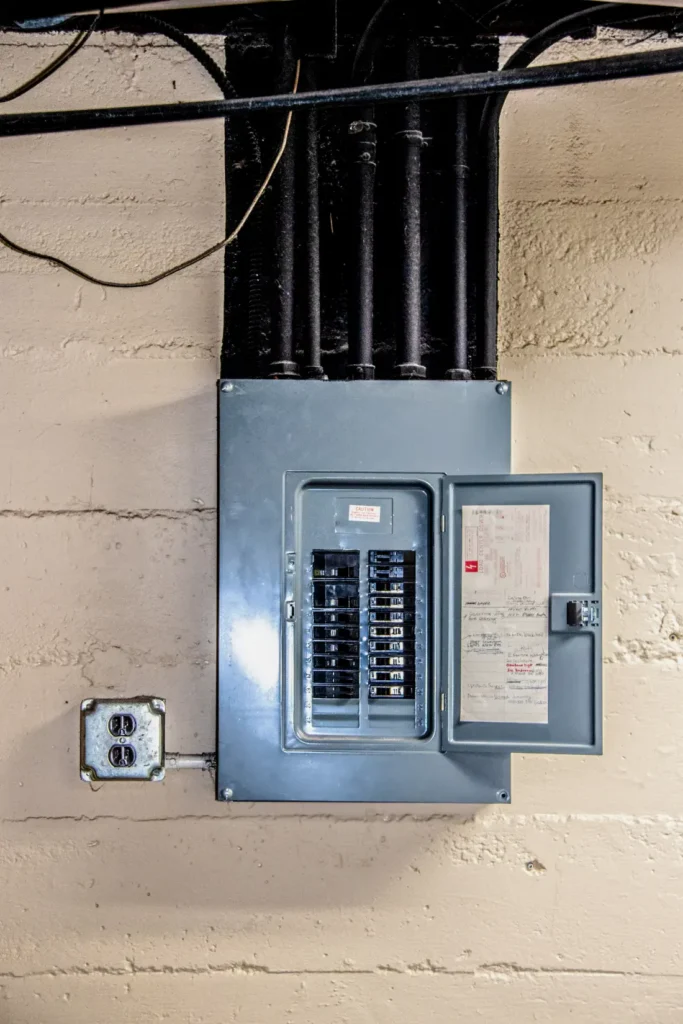
Your electrical panel is the heart of your home’s electrical system. When it is outdated or overloaded, winter energy demands can quickly expose problems. Homes with older 60 or 100 amp panels often experience flickering lights or tripping breakers during colder months.
A panel inspection can quickly reveal issues such as:
- Frequent breaker trips
- Rust, corrosion or signs of moisture
- Buzzing or humming
- Overheated or loose connections
- Dimming lights during appliance startup
If your panel is decades old or shows wear, you may benefit from an upgrade. You can learn more on our Electrical Panel Upgrade page. Pairing a panel upgrade with regular home electrical inspections provides long term safety and reliability.
2. Test All GFCI and AFCI Outlets
In winter, indoor humidity rises and outdoor surfaces become wetter which increases the importance of functional GFCI outlets. These outlets protect you from electrical shock in kitchens, bathrooms, basements and outdoor areas. AFCI devices help prevent dangerous arc faults that can lead to fires.
Testing outlets is simple:
- Press the TEST button to interrupt the circuit
- Check that power shuts off
- Press RESET to restore power
- Replace the outlet if it does not respond
This seasonal habit takes only minutes but dramatically increases safety. For whole home troubleshooting and outlet testing, see our Residential Electrical Services page.
3. Evaluate Outdoor Wiring and Exterior Fixtures
Your outdoor electrical components deal with some of the harshest winter conditions. Freezing temperatures, snow and wind can damage fixtures and wiring. Before winter arrives, walk around your property and look for any signs of wear or exposure.
Inspect areas such as:
- GFCI outdoor outlets
- Landscape lights
- Garage or shed wiring
- Driveway and porch fixtures
- Holiday lighting locations
You should also look for cracked covers, loose wiring or moisture within fixtures. If you decorate for the holidays, ensure all cords and lights are rated for outdoor use. LED lighting reduces energy draw and helps prevent overloaded circuits.
If you find damage, we are here to help. Contact us to schedule a free inspection.
4. Prepare Your Generator and Transfer Switch
Winter storms frequently lead to power outages. A generator can keep your heat, appliances and essential systems running, but only if it is maintained properly. Servicing your generator before the first storm ensures reliability when you need it most.
A winter generator tune up typically includes:
- Checking oil levels
- Inspecting air and fuel filters
- Running the generator under load
- Confirming the transfer switch is working correctly
Portable generators also need attention. Always operate them outdoors with proper ventilation and never plug them directly into interior outlets. A transfer switch prevents backfeeding and keeps your system safe.
Our generator interlock kits enable portable generators to connect directly to the electrical panel in your home. This ensures that your main breaker and your generator breaker cannot run simultaneously, a safe and efficient way to power your house during an outage.

5. Check Smoke Detectors and Carbon Monoxide Alarms
Winter is the highest risk season for both electrical fires and carbon monoxide incidents. Heating appliances, fireplaces and generators all increase potential hazards, so working alarms are essential.
Take time to:
- Test each smoke alarm
- Replace batteries as needed
- Check the manufacturing date
- Ensure carbon monoxide detectors are on every level
- Replace any device older than ten years
If your home uses stand alone battery powered alarms, consider upgrading to interconnected wired systems for improved coverage. Regular home electrical inspections often include alarm placement and performance checks.
When to Call a Professional
Some winter electrical tasks are simple to handle, but others require a licensed electrician. Contact a professional if you notice:
- Burning smells
- Warm outlets or switches
- Frequent breaker trips
- Dimming lights during appliance use
- Shocks when plugging in devices
Marshfield Electric provides full home electrical inspections, winter readiness evaluations and electrical upgrades designed to keep your home safe and efficient all season. Contact us today for a free estimate!
Frequently Asked Questions
How do I know if I need a home electrical inspection before winter?
If your home is older, if you use heavy winter appliances or if you notice any electrical issues, a seasonal inspection helps prevent hazards and ensures your system is ready for cold weather.
Can I test my GFCI outlets myself?
Yes. Press the test button, confirm power shuts off and press reset. If the outlet does not respond, it should be replaced.
Why is a home electrical inspection important for older houses?
If your home is older, there is a good chance your electrical panel is more than forty years old. Aging panels and wiring can weaken over time which increases the risk of overloaded circuits, hidden damage or outdated components that no longer meet safety standards. A home electrical inspection provides peace of mind by identifying small issues before they turn into costly or dangerous problems. Regular inspections help ensure that your electrical system remains safe, efficient and prepared to handle modern appliances and seasonal demands.